

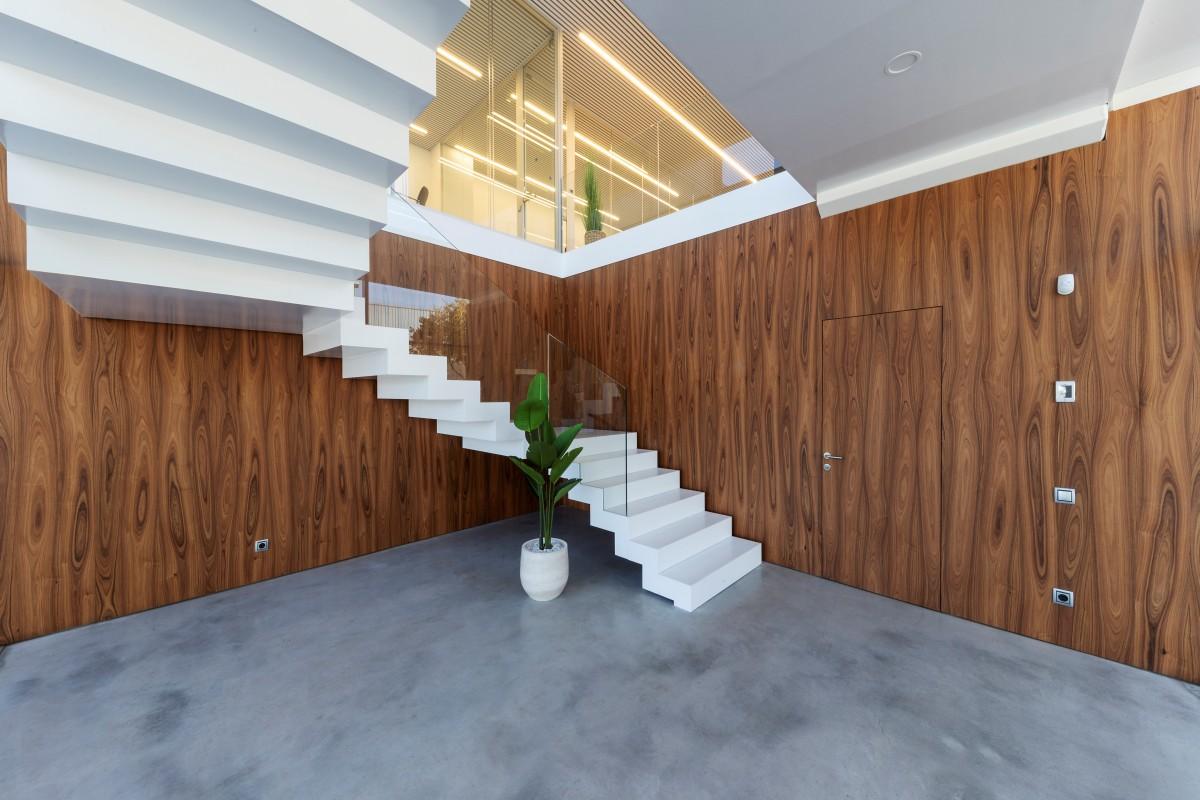
For decades, offices were functional, often impersonal spaces where efficiency took precedence over aesthetics. In recent years, however, we have witnessed a genuine revolution in the way these working environments are conceived. Today, more than ever, office interior design seeks to balance functionality, wellbeing and style. In this context, cladding, slatted panels and acoustic cladding have evolved from purely technical elements into key features of contemporary interior design.
Cladding: Elegance and Versatility
The use of wall and ceiling cladding has evolved considerably. It is no longer simply about covering structural imperfections or concealing installations, but about creating clean, sophisticated surfaces with their own identity. Cladding adds texture, warmth and visual coherence to the overall design of an office.
One of its greatest benefits is the ability to create visual continuity between spaces, contributing to a greater sense of order and spaciousness. In addition, cladding makes it possible to integrate indirect lighting, signage and technological solutions in a discreet and elegant way.
Slatted Panels: Japandi Aesthetics and Architectural Impact
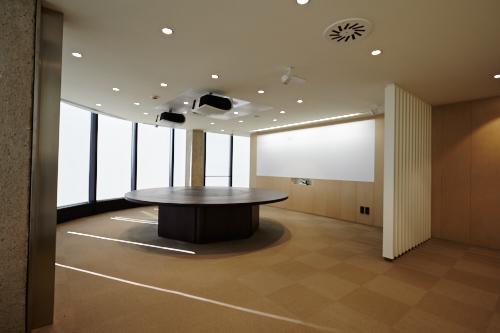
Slatted panels have become extremely popular in interior design thanks to their ability to create visual rhythm, add dynamism and divide spaces without fully enclosing them. Inspired by Japanese and Scandinavian aesthetics, slatted panels bring together warm minimalism and natural sophistication, a combination that has become a major trend in contemporary offices.
Beyond their decorative value, slatted panels also offer practical solutions: they can be used as partial wall cladding, as space dividers or even as an enclosure for booths or meeting rooms, allowing light and ventilation to pass through without compromising privacy or style.
Acoustic Cladding: Balancing Wellbeing and Design
One of the major challenges in open-plan office design is noise control. This is where acoustic cladding plays a fundamental role. Moving beyond the traditional sound-absorbing panels of the past, today’s acoustic solutions are designed to integrate seamlessly into the space both aesthetically and functionally.
Acoustic panels help control reverberation without compromising the visual identity of the environment. Applied to walls, ceilings or furniture, they significantly improve acoustic comfort, reducing stress and promoting concentration and productivity.
In addition, many manufacturers now understand that acoustic cladding can and should be visually appealing: customised colours, organic shapes and carefully designed finishes transform these elements from hidden technical solutions into decorative features in their own right.
The Office as an Experience
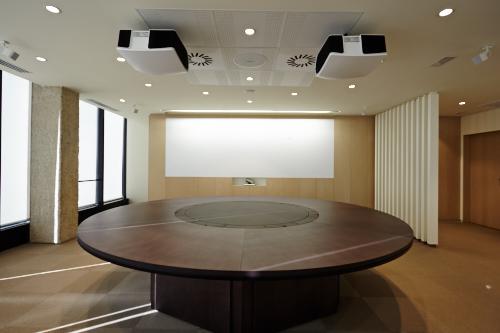
Integrating these elements is more than a decorative trend: it reflects a broader cultural shift. Offices are no longer simply places to work, but spaces for experience, identity and belonging. Companies understand that a carefully designed, functional environment improves employee wellbeing and strengthens their brand.
Interior design, through the use of cladding, slatted panels and acoustic cladding, creates offices that inspire, connect and perform. This design revolution not only responds to technical needs, but also engages the senses, comfort and emotion.
In short, the strategic use of these resources does far more than improve acoustics or conceal installations: it transforms impersonal offices into warm, professional and stimulating environments. We are entering a new era of corporate design, where every surface communicates, every texture adds value and every detail matters.
Cladding, Slatted Panels and Acoustic Cladding - Find out more
Our catalogue of cladding, slatted panels and acoustic cladding